

Buddhist temple programmes
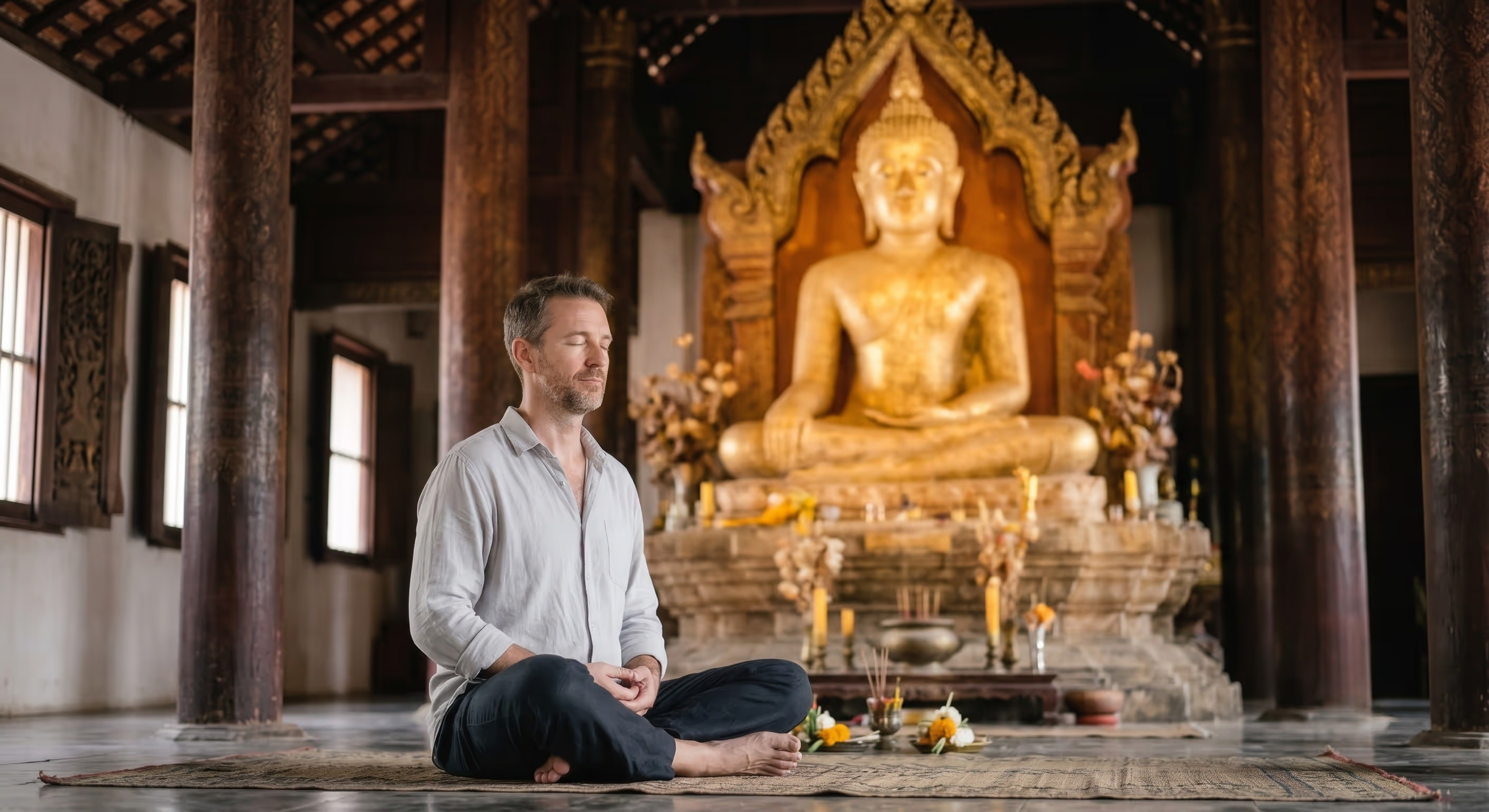
Temple programmes such as those at Wat Thamkrabok and Wat Mai Siap follow ancient Buddhist principles of purification and mindfulness, based on the belief that recovery requires both physical and spiritual cleansing. Fees are usually voluntary donations, making them the lowest-cost option in Thailand. The approach is the same for everyone: traditional herbal detoxification and a sacred vow of lifelong abstinence, with no evidence-based therapy, no medical supervision and no treatment for co-occurring mental health conditions. For someone drawn to a spiritual, communal path who has no medical needs, it can be meaningful; for someone facing dangerous withdrawal or underlying depression, anxiety or trauma, it is not designed to help.
Budget residential centres
Budget residential centres offer a more familiar structure than the temples, typically built around the 12-Step model with basic accommodation and group support. They can suit people with relatively straightforward needs. The trade-off to check carefully is clinical depth: many have limited or no medical supervision for withdrawal, little psychiatric input, and no dedicated treatment for the mental health conditions that so often sit underneath addiction. Ask directly what medical and psychological care is included before assuming it is there.
Accredited clinical centres
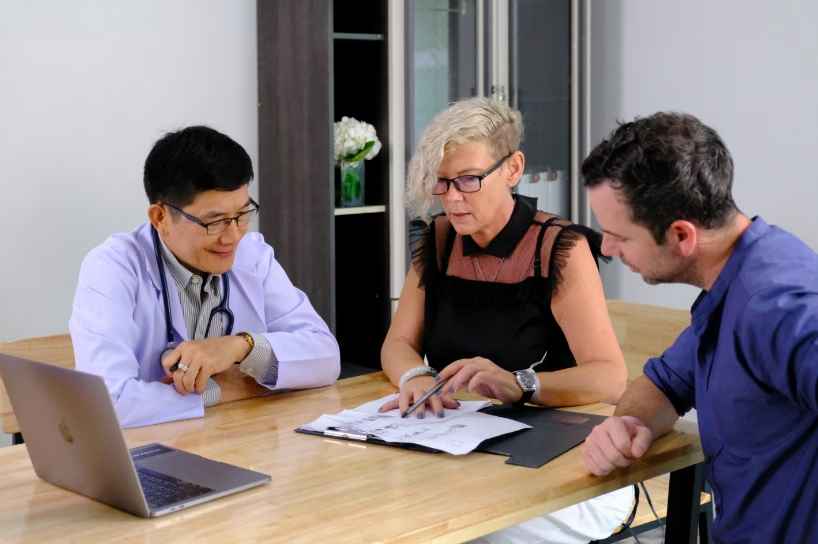
Accredited clinical centres provide the fullest level of care: medically supervised withdrawal, evidence-based therapies such as CBT, DBT and EMDR, psychiatric oversight, and treatment for co-occurring conditions alongside the addiction itself. This is the tier that matches Western clinical standards, and in Thailand it does so at around one third of the cost. For anyone who needs medical detox, has co-occurring mental health needs, or has relapsed after simpler programmes, this is the category to focus on.
How to judge which is best for your situation

Match the centre to the need, not the marketing. Start with the clinical questions: does the person need medically supervised withdrawal, and are there co-occurring mental health conditions such as depression, anxiety or trauma? If the answer to either is yes, only an accredited clinical centre is appropriate. Then check accreditation and Thai Ministry of Public Health licensing, look at who actually delivers the therapy, and ask what aftercare is provided once treatment ends. Our full guide to choosing a rehab abroad covers these checks in depth.
Where The Dawn fits
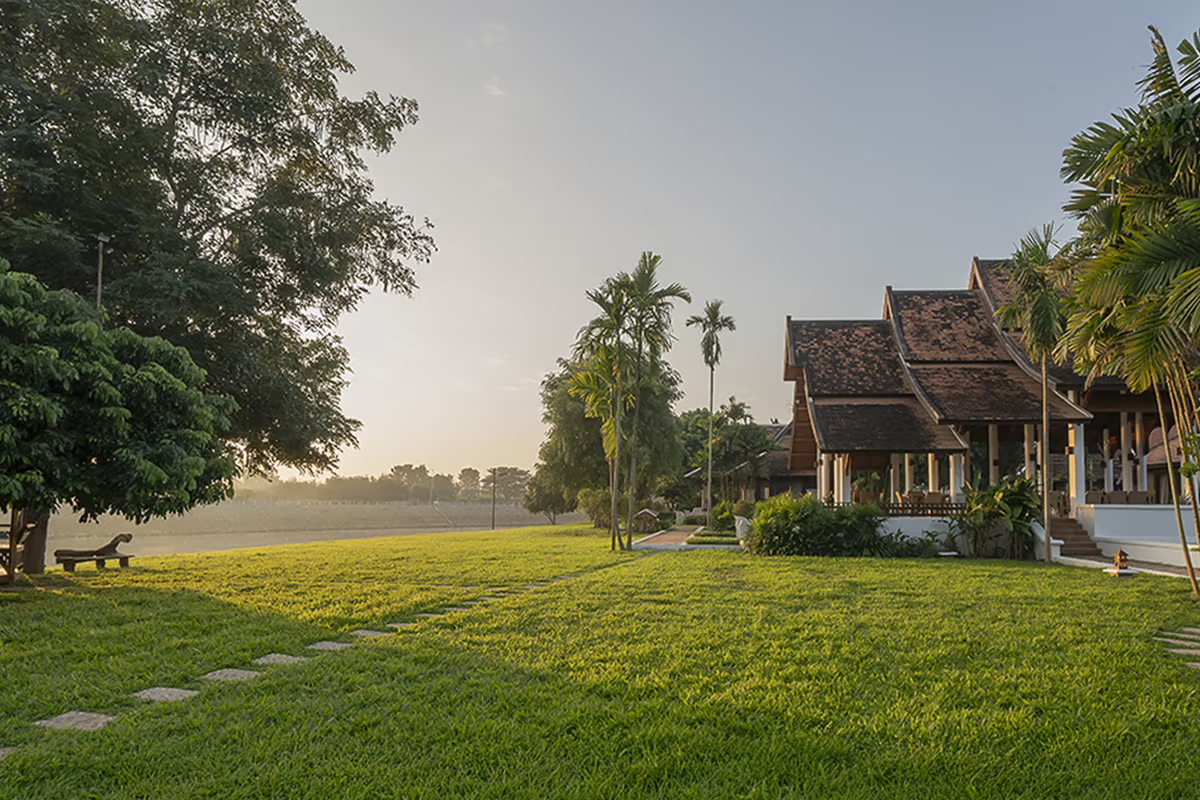
The Dawn is an accredited clinical centre, and the only one in Asia-Pacific to hold CARF International accreditation. Set on the riverside outside Chiang Mai, it offers medically managed withdrawal, evidence-based therapy delivered by a Western-trained clinical team, a dedicated trauma programme, and treatment for co-occurring conditions, at roughly one third of comparable Western prices. It is not the right fit for everyone: someone seeking a purely spiritual path may prefer a temple, and someone with simple needs and a tight budget may choose a smaller centre. But for people who need genuine clinical care and want to be sure it is safe and accredited, it sits firmly in the category that can provide it.
Find the right fit for your recovery
Choosing between the options is far easier with a conversation. Our admissions team can talk through your situation honestly and help you understand which type of centre suits your needs, even if that turns out not to be us. Contact The Dawn’s admissions team to talk it through.