
A male doctor wearing glasses, a white lab coat, and a stethoscope listens attentively across a desk to a blonde female patient seen from behind.

Is Alcohol Detox in Thailand Safe?

Table of Contents

Alcohol detox in Thailand is safe when it takes place at a licensed rehab with a medical team on site around the clock. A safe rehab offering alcohol detox in Thailand will assess your drinking and your health before treatment begins, and determine whether your alcohol withdrawal symptoms are manageable during your flying time to Thailand. If they are, your alcohol detox will be professionally overseen at the centre with prescribed medication with an agreed route to hospital care if your symptoms become complicated.

The Dawn Rehab in Thailand manages alcohol detox on site as the first stage of treatment, with a medical team on duty 24 hours a day and established links to the top hospitals in Chiang Mai. Your admissions assessment confirms before you travel whether a residential detox is the right starting point for you, or whether hospital care should come first.

The risks of detoxing from alcohol without medical supervision

Alcohol withdrawal is one of the few types of withdrawal that can become a medical emergency. The risk comes from the way the brain adapts to regular heavy drinking, and it rises with the amount you drink and the length of time you have been drinking at that level.

Alcohol withdrawal symptoms that make an unsupervised detox dangerous

Long-term heavy drinking changes the balance of chemical signals in the brain. The nervous system becomes overactive when alcohol is removed suddenly, and that overactivity produces the symptoms of withdrawal. The ASAM clinical practice guideline on alcohol withdrawal notes that symptoms usually begin within a day of the last drink and can range from mild to life-threatening.

  • Mild to moderate symptoms include shaking, sweating, anxiety, nausea, a racing heart and difficulty sleeping. These symptoms are distressing, but a medical team can usually manage them well.
  • Severe symptoms include seizures, hallucinations and delirium tremens, a state of confusion, agitation and unstable heart rate and blood pressure that needs urgent medical treatment.

World Health Organization guidance on managing alcohol withdrawal recommends medication, usually a benzodiazepine, to control symptoms and reduce the risk of seizures and delirium.

Detoxing from alcohol at home compared with a medically supervised detox

You may be considering stopping at home first, to keep your drinking private or to avoid the cost of treatment. A home detox can work for some people with mild dependence, but only with a doctor’s assessment and agreed support. A home detox without that support leaves no one to recognise the early warning signs or to give medication if symptoms escalate.

Home detox without medical support Medically supervised detox
Assessment None before stopping Drinking history and health assessed before detox begins
Monitoring Depends on family or friends Nurses check symptoms and vital signs throughout
Medication None, or taken without guidance Prescribed and adjusted by a doctor
If symptoms escalate An emergency call Medical team on site, with hospital care arranged if needed
After detox Often a return to the same routine Detox is followed by therapy

Signs that you need a medical alcohol detox

A medically supervised detox is the safer choice if any of the following apply to you.

  • You drink heavily every day, or you have had shaking, sweating or anxiety when you have tried to stop before.
  • You have ever had a withdrawal seizure or delirium tremens.
  • You also take sedatives such as benzodiazepines, or you live with a heart, liver or other long-term health condition.

If any of these describe you, stopping suddenly on your own is not safe. A conversation with a medical team should come first.

Who can safely detox from alcohol at a residential rehab in Thailand

Reaching Thailand from the UK, Europe, the US or Australia means a long-haul flight, so the right place to detox depends on your level of alcohol dependence and your medical history. Most people can detox safely at a residential rehab in Thailand, while some may need hospital care at home first. The admissions assessment is how you find out which applies to you.

Your admissions assessment will decide the safest place to detox

The Admissions Team at The Dawn asks for a full list of your medication and any changes in your health or substance use before you travel. The Medical Team then asks about your drinking over recent months, your last drink, any previous detox and any medical conditions when you arrive. The assessment looks closely at three things.

  • How much and how often you drink, and for how long, since this indicates how severe withdrawal is likely to be.
  • Whether stopping before the flight would be safe. Going cold turkey in the days before you travel can bring on withdrawal in the air or in transit, far from medical help, so ask the centre whether you should detox before rehab in Thailand or wait until you arrive.
  • Any medical history that means detox should begin in a hospital rather than at a residential centre.

Your final treatment plan is confirmed after the arrival assessment in Chiang Mai, and the team explains any change to the plan with you.

Medical histories that call for a hospital detox before residential treatment

Some people are safer completing the first stage of detox in hospital, often before they fly, and starting residential treatment once withdrawal is under control. The Dawn recommends this for severe cases, because severe alcohol withdrawal can be life-threatening. Medical histories that usually point to a hospital detox first include previous withdrawal seizures or delirium tremens, serious heart or liver disease, and heavy drinking combined with other sedatives.

Travel insurance that covers hospital care during detox in Thailand

Clients at The Dawn are required to hold travel or health insurance that covers accidents and a higher level of care for the whole stay. This cover matters most during detox, when a transfer to hospital is the step that stops a complication from becoming an emergency. Check that your insurance covers rehab in Thailand, including hospital treatment, before you book, and keep the insurer’s assistance number with you.

A medical alcohol detox and a Thailand detox retreat are not the same thing

Thailand is known for wellness resorts that offer detox programmes built around juice cleanses, fasting, herbal treatments and spa therapies. These programmes may suit someone who wants a healthy break, but they are not designed or staffed to manage alcohol withdrawal. The sweating, anxiety, shaking and sleeplessness of withdrawal can arrive with no doctor or nurse on hand if you drink heavily and stop at a spa retreat, and more serious complications can follow.

A medical alcohol detox is a clinical process. Doctors and nurses assess you, prescribe medication to keep withdrawal safe, monitor you around the clock and move you into treatment for the drinking itself once detox is complete.

Warning signs that a detox programme in Thailand is not medically safe

Safe sign Warning sign
A doctor assesses you before detox begins No medical assessment, or only a questionnaire
Nurses on site 24 hours a day Staff on site during the day only
Prescribed withdrawal medication A "natural" detox using herbs, juices or fasting alone
An agreed route to hospital care No plan for medical emergencies
Detox leads into therapy Detox offered as a complete treatment on its own

Questions to ask a Thai rehab before booking an alcohol detox
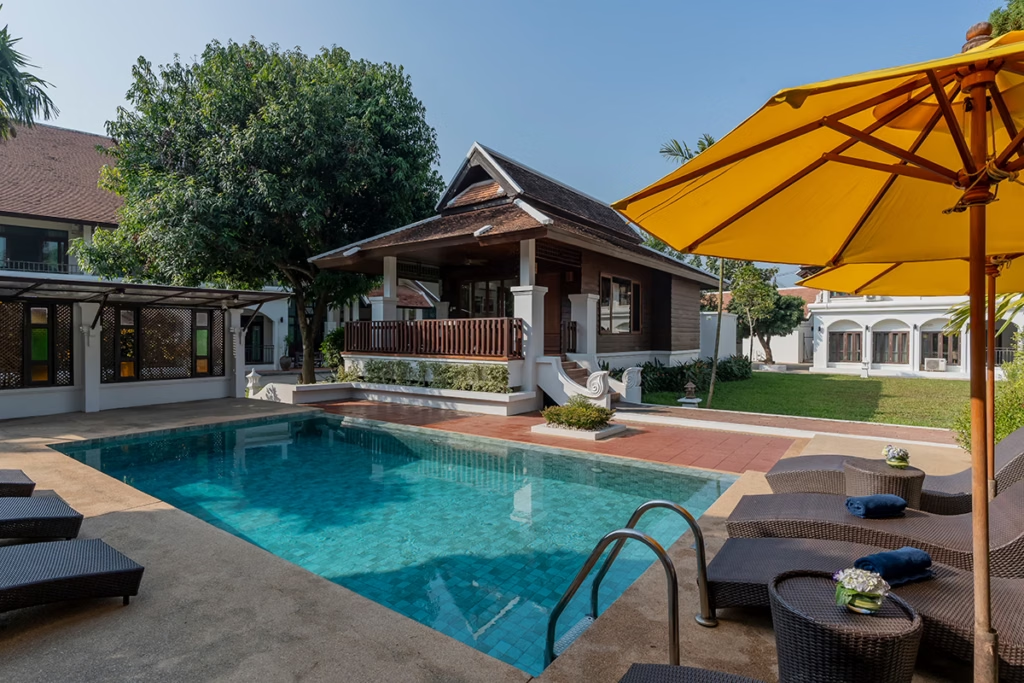
Swimming pool with sun loungers and a yellow umbrella beside a Thai-style villa at The Dawn Rehab in Chiang Mai

A short conversation with the admissions team should give a clear answer to each of the questions below. A vague answer to any of them is a reason to consider another centre.

1. Are rehabs in Thailand licensed to provide medical detox?

Rehabs in Thailand are licensed by the Thai Ministry of Public Health, but a rehabilitation licence does not automatically authorise hospital-level medical detox. A well-run rehab manages mild to moderate withdrawal on site, with doctors and nurses and prescribed medication, and advises anyone at risk of severe withdrawal to complete detox in a licensed hospital first, often before they travel. Ask what level of withdrawal the centre manages on site and what it advises for severe cases, alongside the wider checks that show whether rehab in Thailand is safe.

The Dawn is licensed by the Thai Ministry of Public Health for rehabilitation services and is the only rehab in Asia accredited by CARF.

2. Are doctors and nurses on site overnight during detox?

Withdrawal symptoms can change at any time of day or night, so overnight medical cover is essential. A safe answer describes a nursing team on rotating shifts with cover through the night, and a doctor available whenever symptoms change.

3. Which medication is used for alcohol withdrawal, and how are symptoms monitored?

A safe answer names the medication and explains how the dose changes as you improve. Most medical detoxes use a long-acting benzodiazepine on a tapering schedule, with thiamine (vitamin B1) to prevent a serious neurological complication of heavy drinking. Nurses should check your symptoms and vital signs regularly, most closely in the first few days.

4. What happens if hospital care is needed, and what happens after detox ends?

The centre should name the hospital it works with and explain how a transfer is arranged. It should also explain what comes next, because detox treats the physical dependence on alcohol and not the reasons behind the drinking. Addiction therapy after detox is what addresses those reasons.

Hospital care in Chiang Mai if alcohol withdrawal becomes complicated

Chiang Mai has internationally accredited private hospitals that regularly treat visitors from abroad. The Dawn works with hospitals in Chiang Mai, including Bangkok Hospital, which holds JCI accreditation, for any client who needs hospital-level care. An arrangement agreed before detox begins means a complication can be treated quickly instead of being arranged in a crisis. Thailand's medical emergency number is 1669.

How The Dawn Rehab in Thailand ensures alcohol detox is safe
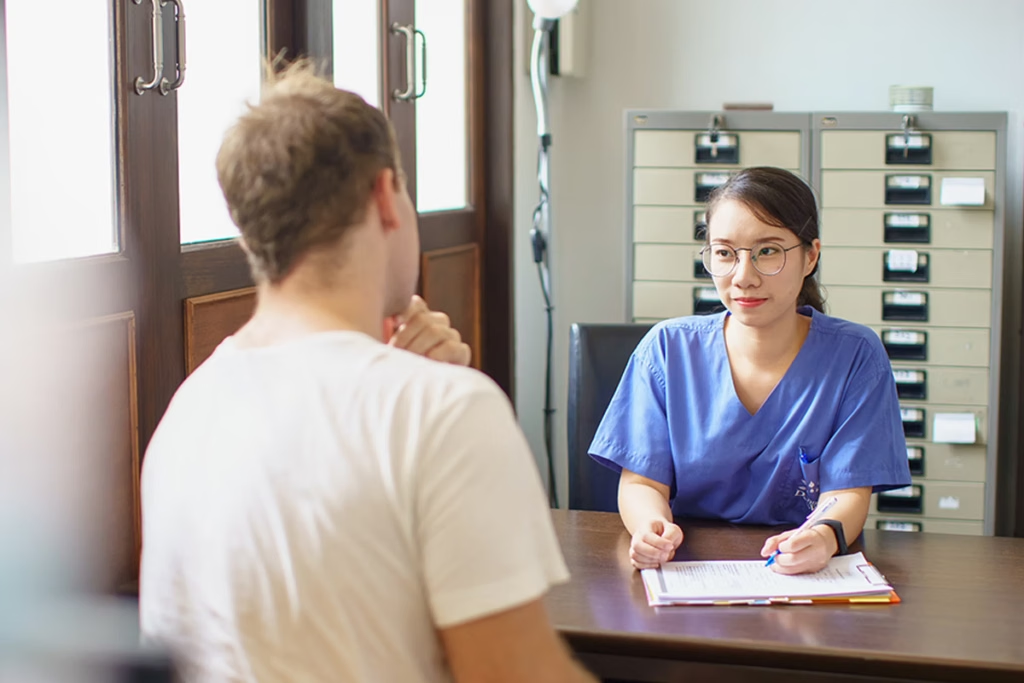
Nurse in blue scrubs taking notes during a one-to-one assessment with a client at The Dawn Rehab

The Dawn’s clinical team is on duty 24 hours a day, with nurses on rotating shifts and cover overnight. An addiction psychiatrist reviews each client throughout detox, and mild to moderate withdrawal is managed on site with a tapering medication plan alongside thiamine and B-vitamin support. For clients at risk of severe withdrawal, our Admissions Team will discuss completing detox before travelling to Thailand. The Dawn is the only rehab in Asia accredited by CARF, an independent body that assesses clinical care and safety against international standards.

Private alcohol rehab with medically supervised detox on site

The team that manages your withdrawal during alcohol detox at The Dawn is the same team that continues your treatment afterwards, because detox for mild to moderate withdrawal takes place on site. Clients move from detox into the next phase of treatment without changing centres.

Detox as the first phase of The Dawn Treatment Roadmap

Detox is Phase 1 of the Treatment Roadmap that The Dawn uses for alcohol rehab in Thailand: Professionally Managed Withdrawal takes place during weeks one and two. Phase 2 builds the skills to manage triggers and cravings, and Phase 3, from week five, addresses the causes that sit underneath the drinking. Detox itself typically takes seven to ten days.

Speak to The Dawn Admissions Team about a safe alcohol detox

If you are worried about stopping drinking safely, the admissions team at The Dawn can discuss your drinking and your health in confidence and explain the safest way to begin.

Treatment at The Dawn costs about one-third of comparable care in the West, and every client continues to receive support after returning home through free Lifetime Aftercare, including bi-weekly online group sessions.

Contact the admissions team to arrange a confidential assessment and to plan your detox before you travel.

FAQs about alcohol detox safety in Thailand

A seizure during alcohol detox is a medical emergency, and a medically supervised centre treats it immediately, with a transfer to hospital where needed. Withdrawal medication given from the start of detox is the main way to reduce the risk of a seizure happening at all.


WANT TO LEARN MORE ABOUT REHAB THAILAND? CONTACT US TODAY.

Scroll to Top